The Future of Auto Forex Trading How Automation is Shaping the Market

The Future of Auto Forex Trading: How Automation is Shaping the Market
In the fast-paced world of forex trading, technology continually reshapes the landscape, making it essential for traders to adapt. auto forex trading https://fxtrading-broker.com/ Auto forex trading, often referred to as algorithmic or automated trading, is one of the most significant advancements in this field. By leveraging algorithms and computer programs, traders can automate their strategies, enabling a more efficient approach to capturing profitable opportunities in the forex market. This article delves into the intricacies of auto forex trading, its benefits, challenges, and future prospects.
What is Auto Forex Trading?
Auto forex trading involves using algorithms and software to execute trades in the foreign exchange market automatically. These trading systems analyze market data, identify trading signals, and execute trades without human intervention. Traders can program these systems to follow specific strategies, allowing them to take advantage of real-time market conditions while removing the emotional factors that often cloud judgment in trading.
Benefits of Auto Forex Trading
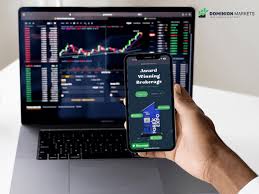
There are several compelling reasons why traders are increasingly turning to automated forex trading systems:
- Emotion-Free Trading: One of the significant advantages of automated trading is the elimination of emotions from the trading process. Fear and greed can lead to impulsive decisions, but algorithms follow pre-set rules, ensuring consistent execution.
- Speed and Efficiency: Automated systems can process vast amounts of data much faster than a human trader. This speed allows them to capitalize on market opportunities that may arise in milliseconds.
- Backtesting Capabilities: Traders can easily backtest their strategies using historical data to see how they would have performed in different market conditions. This feature helps refine and optimize trading strategies before implementing them in live markets.
- 24/7 Market Monitoring: The forex market operates 24 hours a day, five days a week. Automated trading systems can monitor the market continuously, enabling traders to take advantage of opportunities without being tied to their screens.
- Consistency: Automated systems execute trades based on pre-defined rules without deviation. This consistency can lead to improved long-term performance compared to manual trading, where human error might occur.
Challenges of Auto Forex Trading
Despite its many benefits, auto forex trading also comes with challenges that traders must consider:
- Technical Issues: Automated trading systems rely heavily on technology, and technical glitches or errors can lead to losses. Traders must ensure their systems are running smoothly and have contingency plans in place.
- Over-Optimization: There’s a risk of over-optimizing trading strategies during backtesting, making them perform exceptionally well on historical data but poorly in live markets. Traders must strike a balance between optimization and practicality.
- Lack of Flexibility: Automated systems can struggle to adapt to sudden changes in market conditions. While they are good at following established strategies, unforeseen events, such as economic announcements or geopolitical tensions, can impact their performance.
- Capital Requirements: Some automated trading systems may require significant initial capital outlay or ongoing subscription fees for software and tools, which might be a barrier for some traders.
The Technology Behind Auto Forex Trading
Auto forex trading relies on several key technologies and concepts:
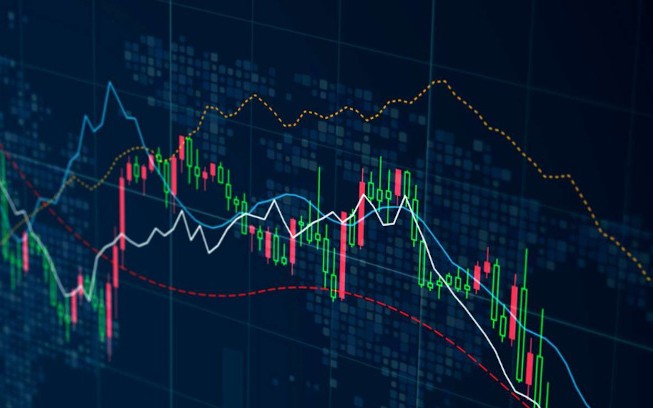
- Trading Algorithms: These are mathematical formulas used to identify trading signals based on various market indicators and parameters. Traders can customize algorithms based on their strategies.
- APIs (Application Programming Interfaces): APIs facilitate communication between trading platforms and custom trading software, allowing for seamless order execution and data retrieval.
- Machine Learning: Some advanced auto forex trading systems leverage machine learning to improve their predictive capabilities. These systems can learn from historical data and adjust their strategies accordingly.
- Cloud Computing: With the advent of cloud technology, traders can access powerful computing resources for data analysis and algorithm execution without the need for extravagant on-premise hardware.
Future Prospects of Auto Forex Trading
The future of auto forex trading appears promising as technology continues to evolve. Here are some anticipated trends:
- Increased Access: As more traders gain access to trading tools and platforms, automated systems will likely become even more widespread, making it easier for novices to participate in forex trading.
- Integration of AI: The integration of artificial intelligence into auto forex trading could lead to systems that not only analyze historical data but also understand and adapt to current market dynamics more effectively.
- Regulatory Developments: As automated trading grows, regulatory bodies will likely introduce new guidelines to ensure market stability and protect investors, which could influence how automated systems operate.
- Collaboration and Sharing: A community of traders may form collaborative ecosystems where strategies and algorithms can be shared, tested, and refined, enhancing collective trading performance.
Conclusion
Auto forex trading represents a significant shift in how trading is conducted in the foreign exchange market. While it offers numerous advantages, it is essential for traders to understand the challenges and complexities associated with automated systems. By staying informed and adapting to technological advancements, traders can leverage auto forex trading to their advantage, ultimately enhancing their trading experience and potential for profit.
